PHOBIAS
Poster and Publication Campaign
Deliverables: Publication, Posters
Year: 2020

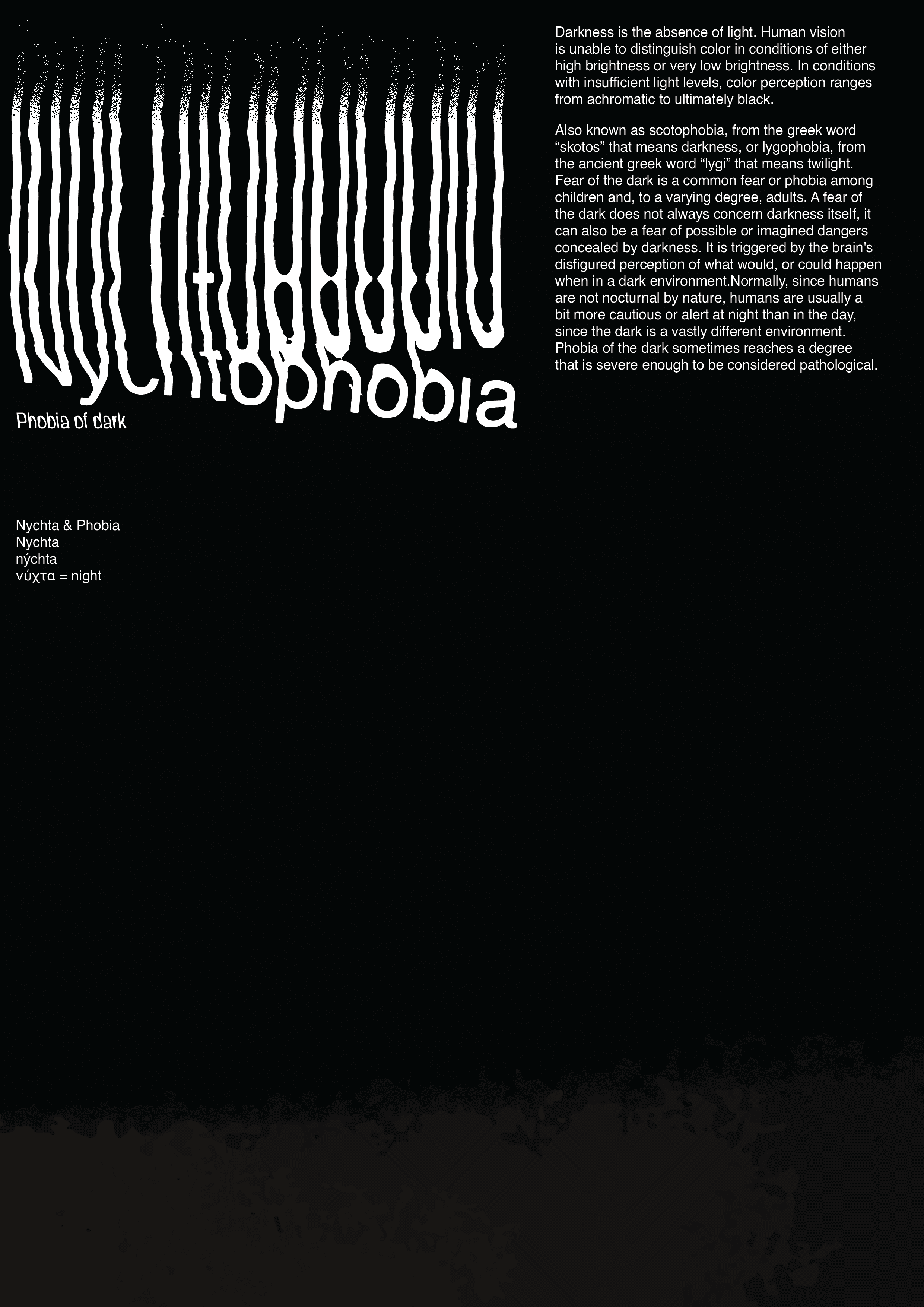

Inspired by Plato’s Allegory of the Cave, this campaign explores the concept of phobias through the metaphor of shadows. In the allegory, prisoners are confined to an underground cave, chained so they can only face one direction. The only reality they know is the shadow play cast on the cave wall by objects passing behind them, illuminated by a distant fire. These shadows become their truth, their world—distorted, limited, and misunderstood.
Though Plato’s message was about enlightenment and the duty of the educated to guide others toward truth, this campaign draws a parallel between the prisoners in the cave and individuals living with phobias. Like the captives, those who suffer from phobias are often bound—not by physical chains, but by overwhelming thoughts and fears that distort reality. Their fear is not always of the thing itself, but of its "shadow"—a projection of trauma, memory, or deep-seated survival instincts. Whether rooted in a single traumatic event, early life experiences, or inexplicable anxiety, the impact is profound and often debilitating.
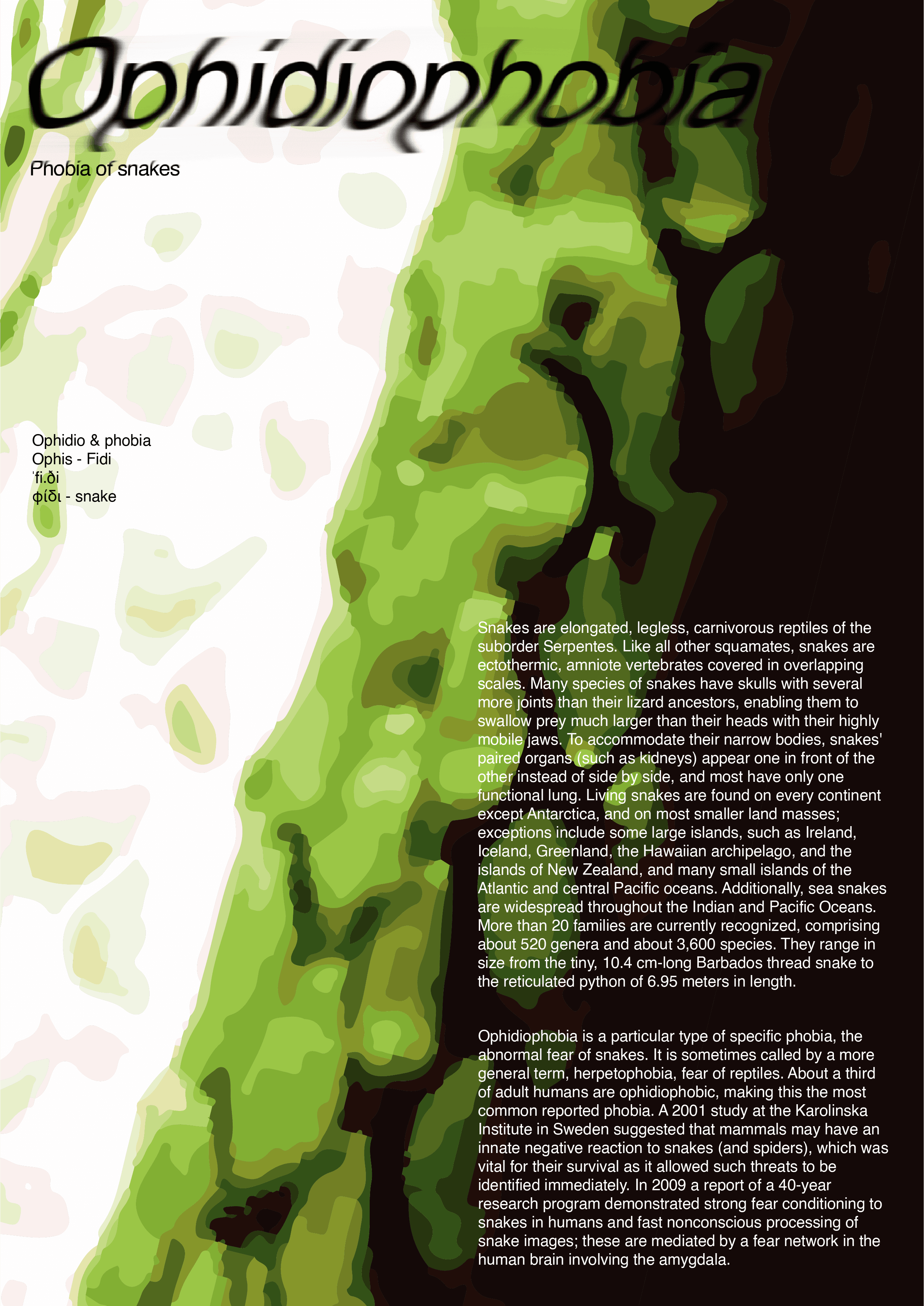
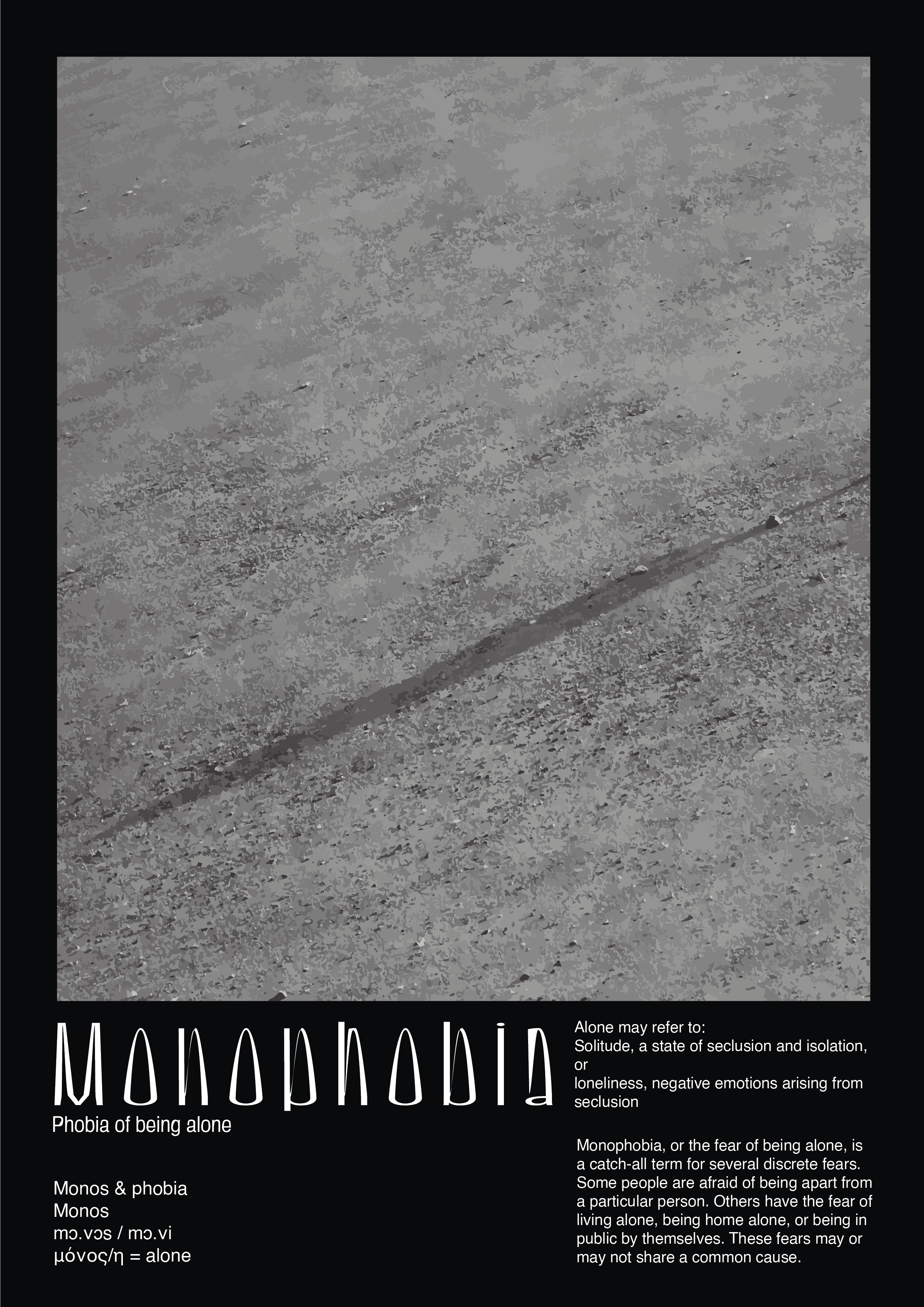
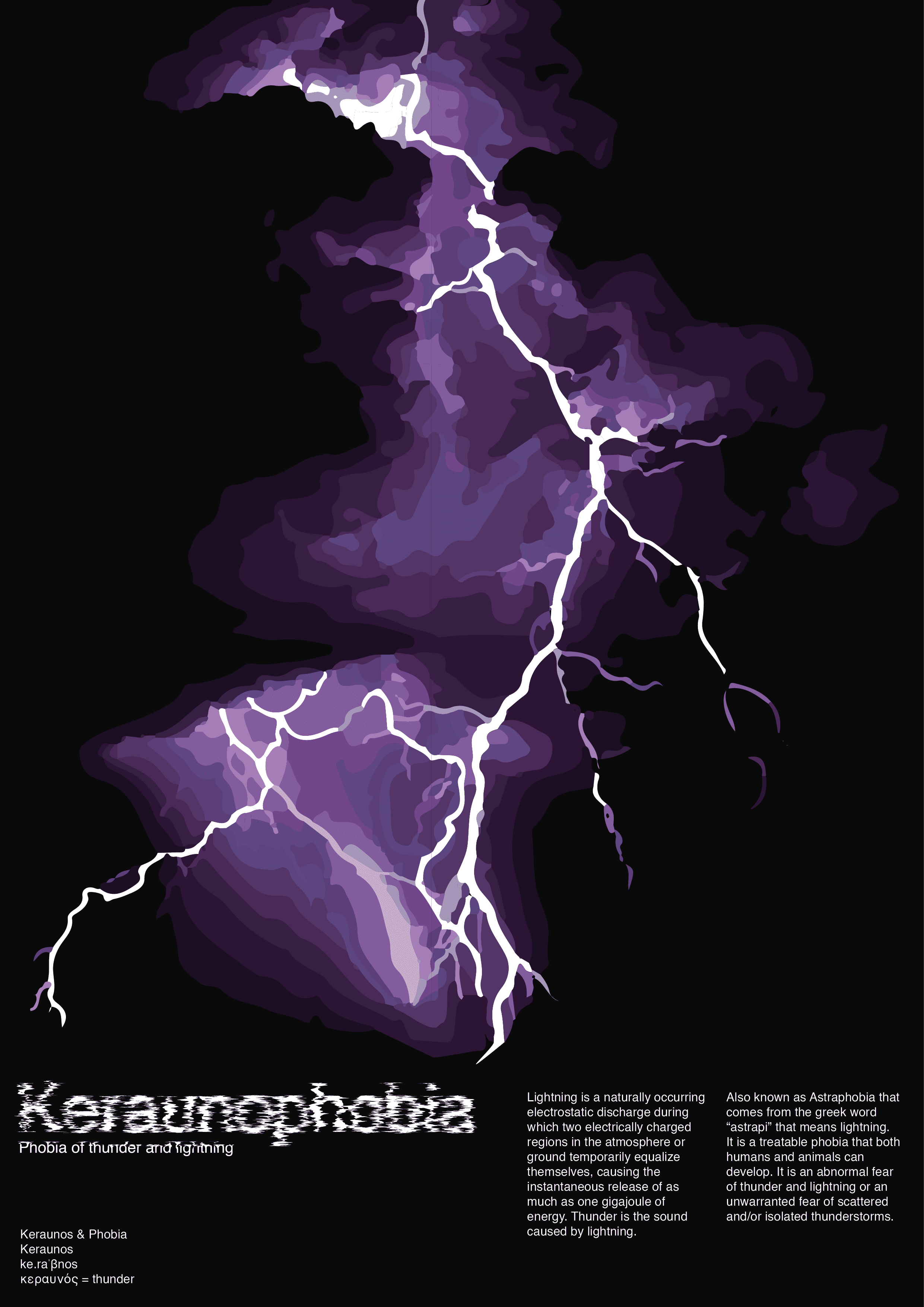
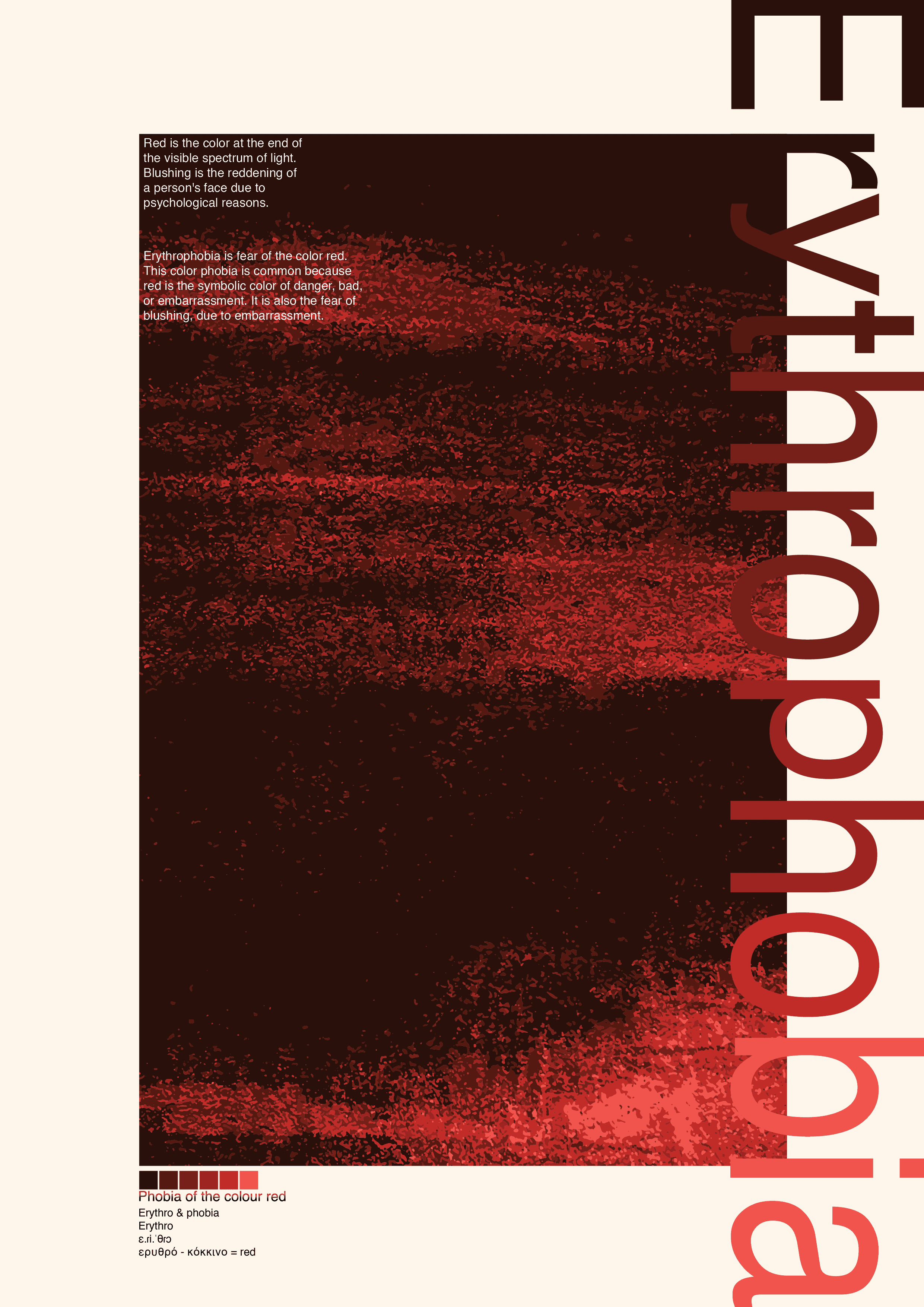
“Phobias involve the experience of persistent fear that is excessive and unreasonable,” says Dr. Wilson, author of Don’t Panic. This campaign aims to raise awareness about the seriousness of phobias, encouraging empathy and understanding for those affected. Each poster is designed to visualize a specific phobia through shadow imagery—symbolizing how these fears loom large in the minds of those who experience them.
The campaign is placed strategically in bus stops and transit stations—spaces where people often have the time to pause, read, and reflect. Unlike shopping centers, where visual noise is overwhelming, these quieter public spaces offer the chance for genuine engagement. The accompanying publication serves as a deeper exploration of the campaign themes, allowing for broader dissemination in areas where the posters may not be physically displayed.
By confronting the shadows and bringing these often-invisible fears into public conversation, the campaign seeks to inform, destigmatize, and foster a greater sense of compassion. Sharing a phobia should be met with respect and dignity, not dismissal—and this project is a step toward that cultural shift.
Inspired by Plato’s Allegory of the Cave, this campaign explores the concept of phobias through the metaphor of shadows. In the allegory, prisoners are confined to an underground cave, chained so they can only face one direction. The only reality they know is the shadow play cast on the cave wall by objects passing behind them, illuminated by a distant fire. These shadows become their truth, their world—distorted, limited, and misunderstood.
Though Plato’s message was about enlightenment and the duty of the educated to guide others toward truth, this campaign draws a parallel between the prisoners in the cave and individuals living with phobias. Like the captives, those who suffer from phobias are often bound—not by physical chains, but by overwhelming thoughts and fears that distort reality. Their fear is not always of the thing itself, but of its "shadow"—a projection of trauma, memory, or deep-seated survival instincts. Whether rooted in a single traumatic event, early life experiences, or inexplicable anxiety, the impact is profound and often debilitating.
“Phobias involve the experience of persistent fear that is excessive and unreasonable,” says Dr. Wilson, author of Don’t Panic. This campaign aims to raise awareness about the seriousness of phobias, encouraging empathy and understanding for those affected. Each poster is designed to visualize a specific phobia through shadow imagery—symbolizing how these fears loom large in the minds of those who experience them.
The campaign is placed strategically in bus stops and transit stations—spaces where people often have the time to pause, read, and reflect. Unlike shopping centers, where visual noise is overwhelming, these quieter public spaces offer the chance for genuine engagement. The accompanying publication serves as a deeper exploration of the campaign themes, allowing for broader dissemination in areas where the posters may not be physically displayed.
By confronting the shadows and bringing these often-invisible fears into public conversation, the campaign seeks to inform, destigmatize, and foster a greater sense of compassion. Sharing a phobia should be met with respect and dignity, not dismissal—and this project is a step toward that cultural shift.