
Workshop: OPEN STUDIO
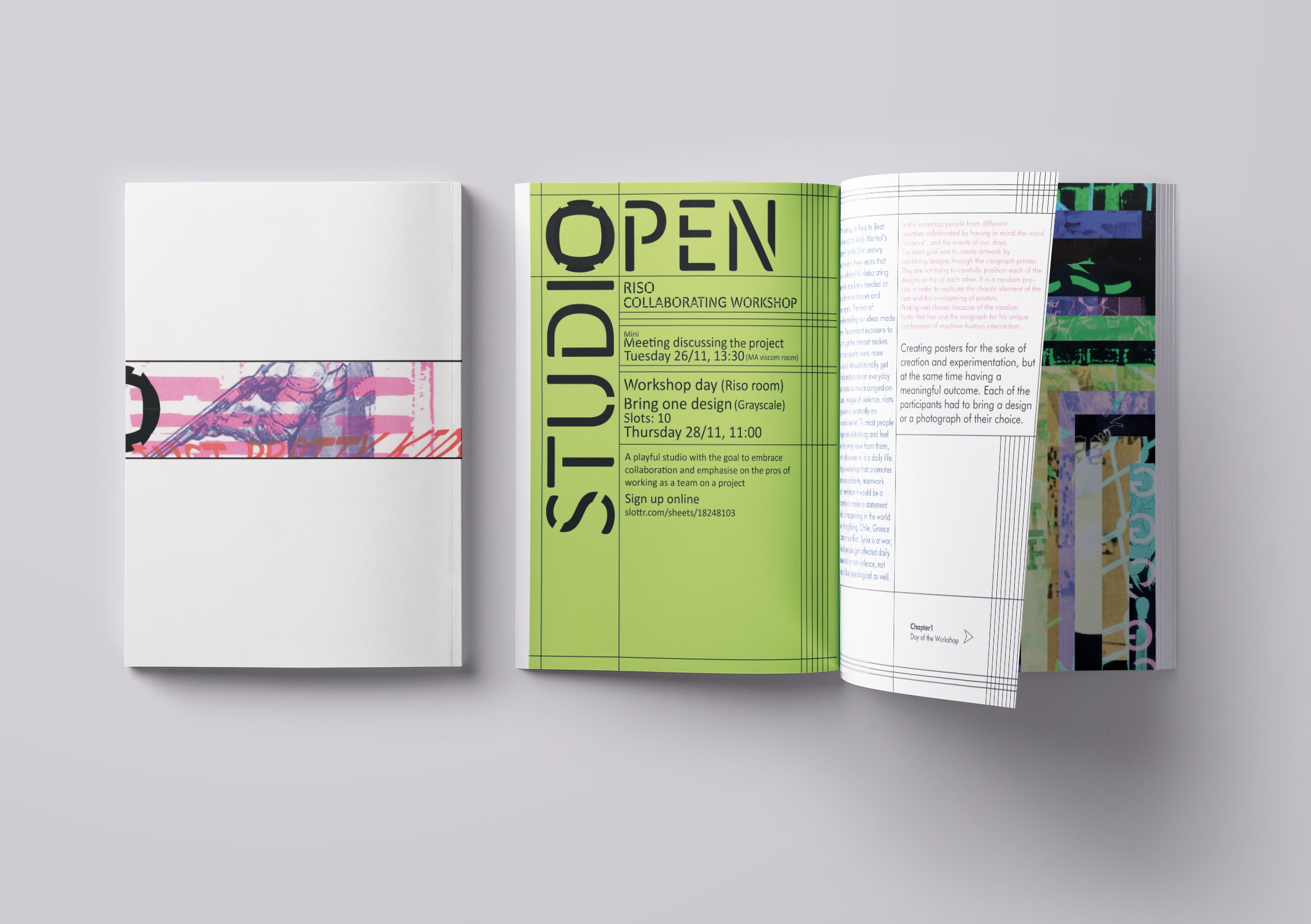
A workshop with Risograph Printmaking as a Response to Contemporary Violence and Isolation and the promotion of Collaboration.
Deliverables: Publication, Posters, Installation
Year: 2019

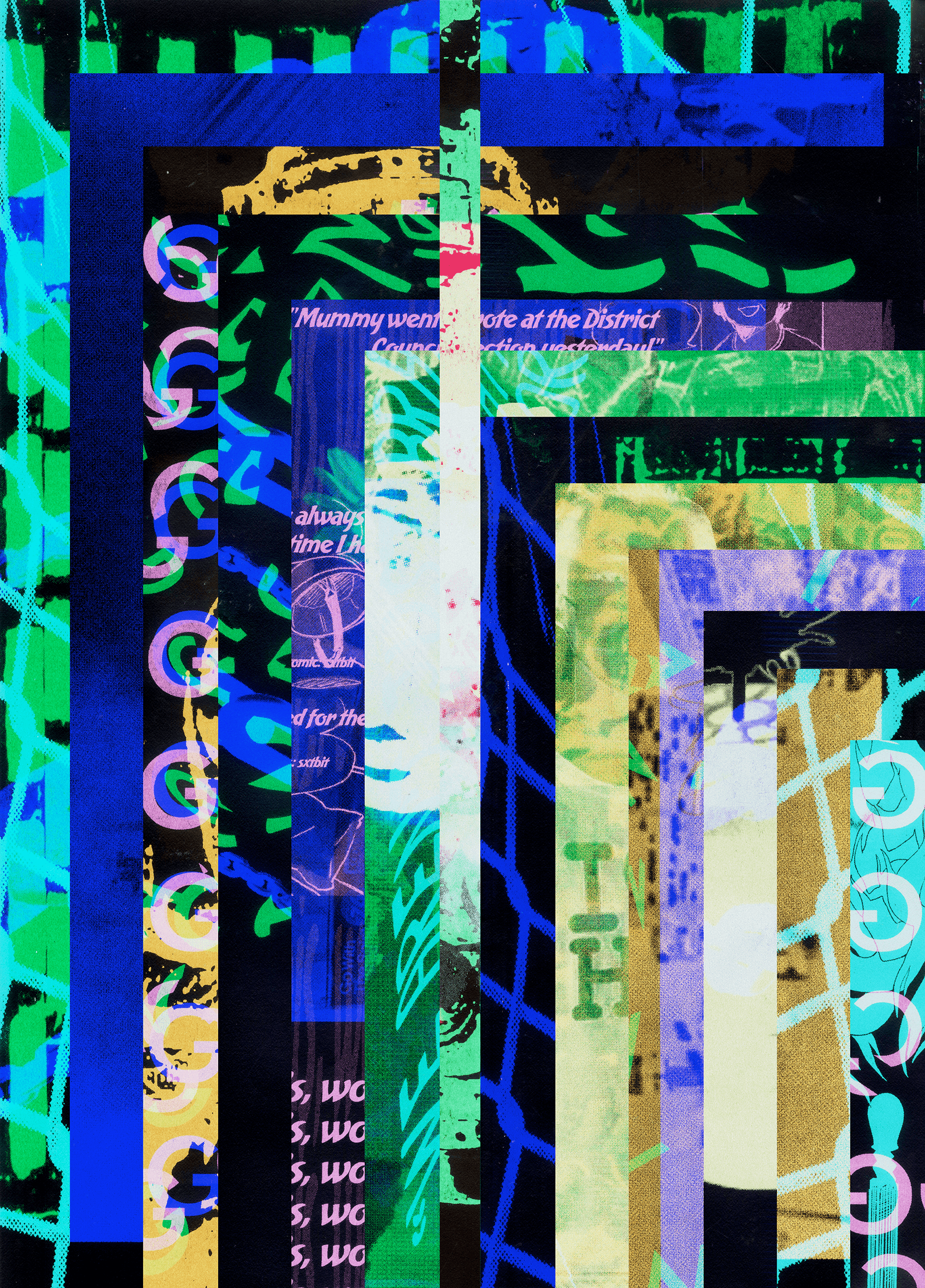
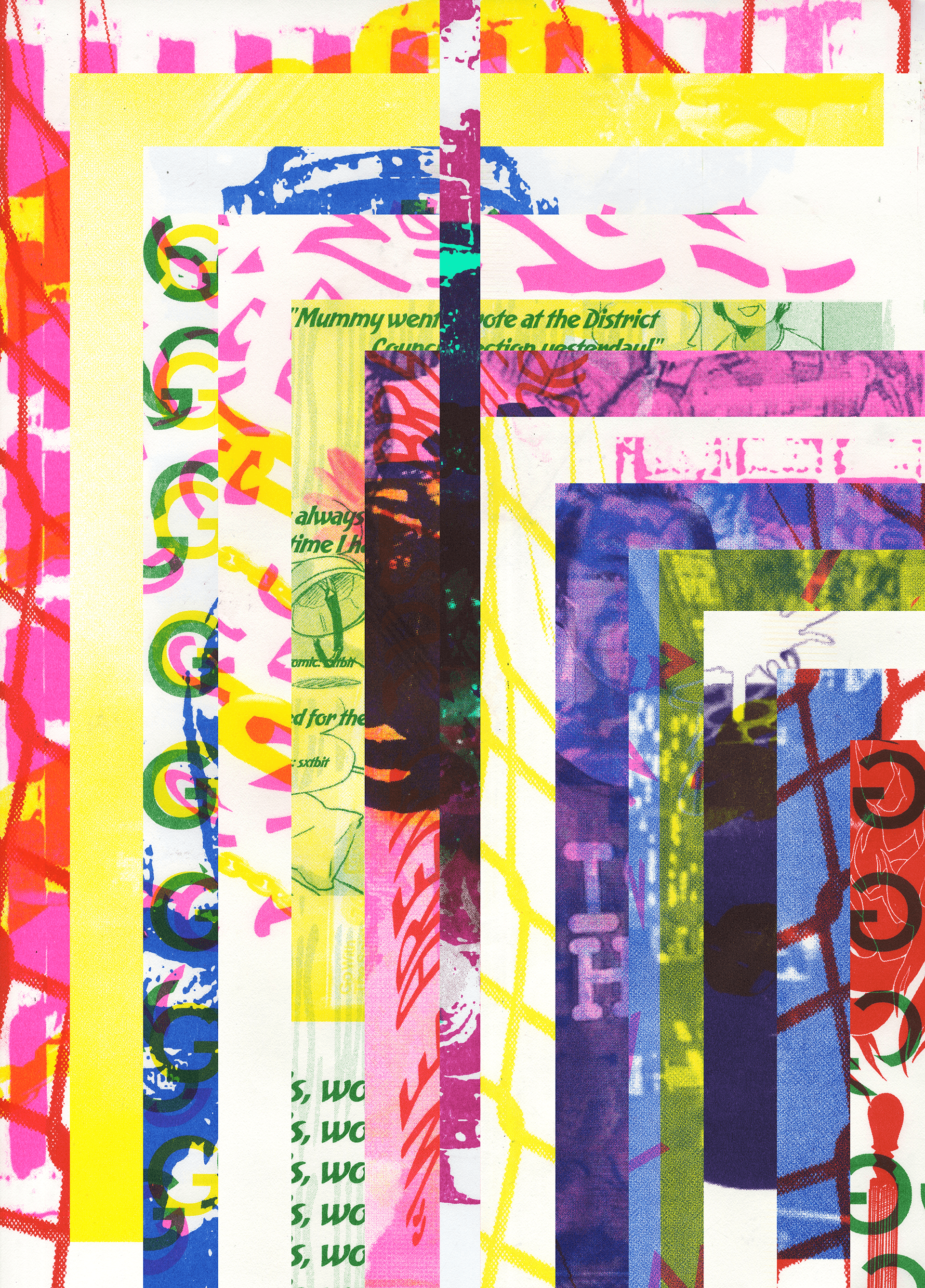
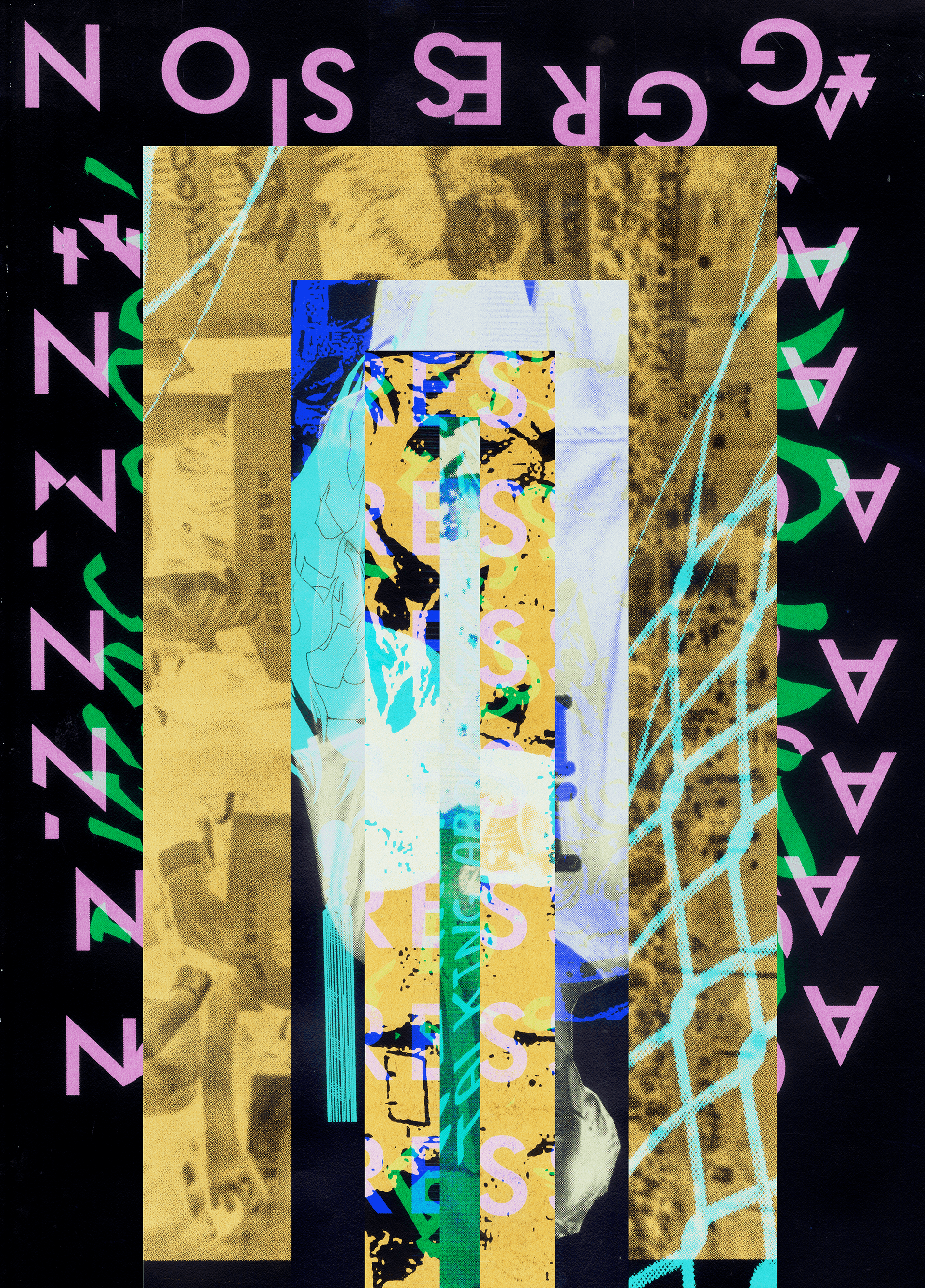
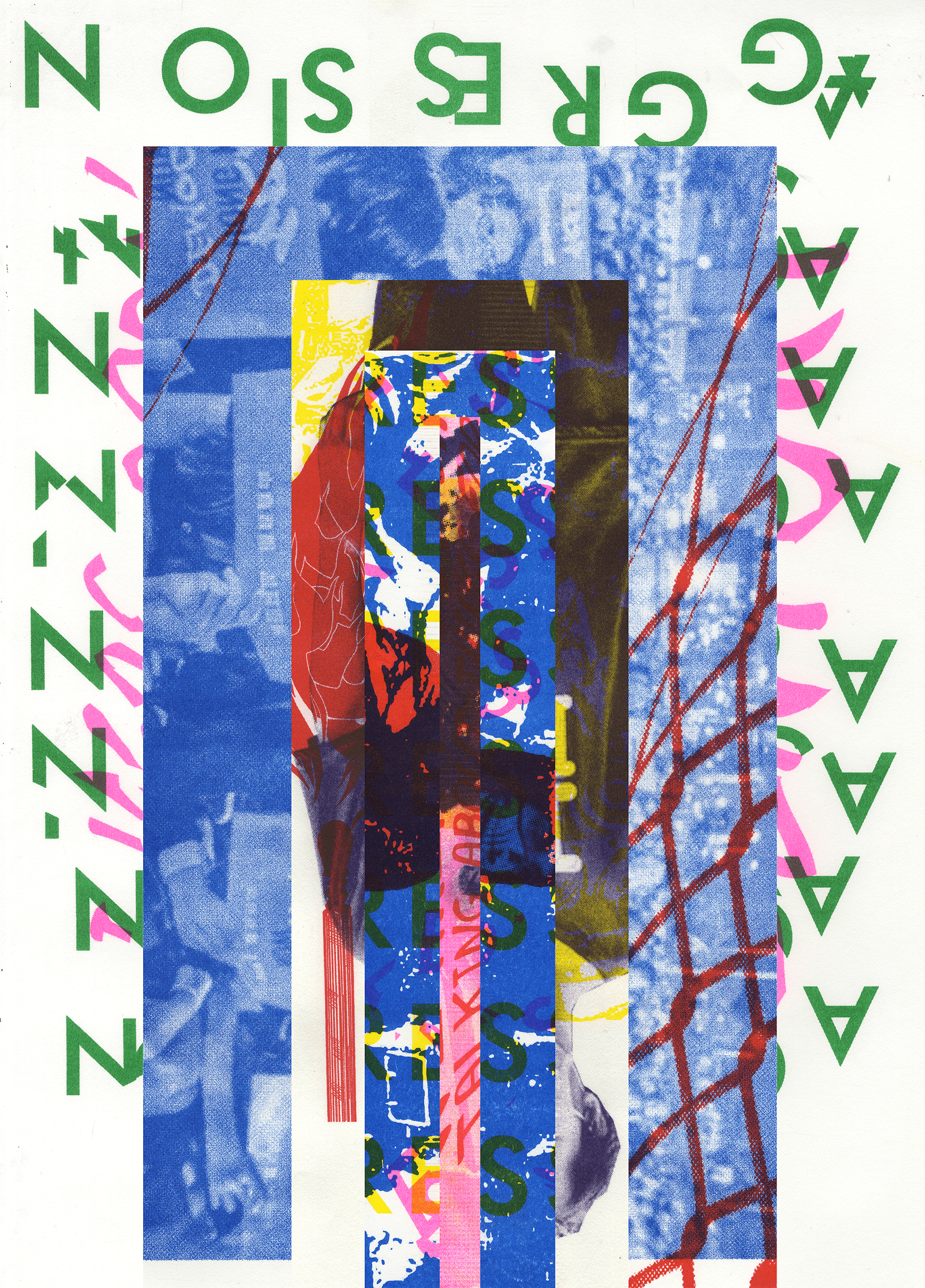

From the artistic circles of 17th-century Paris, to the Beat poets in America, to Andy Warhol’s “Factory” in New York, collaboration once defined the creative process. Artists gathered not only to produce work, but to exchange ideas, challenge each other, and shape culture. Fast-forward to the 21st century, and the landscape has shifted. Today, collaboration often feels like a task reserved for project deadlines and managerial direction.
Fear of intellectual theft makes us secretive. Relentless exposure to imagery online causes us to doubt the quality of our work. We absorb an overwhelming stream of visual information daily—advertisements, violence, conflict, and protest—which congests our thinking and numbs our emotional response. For some, these are just distant headlines. For others, they reflect lived reality.
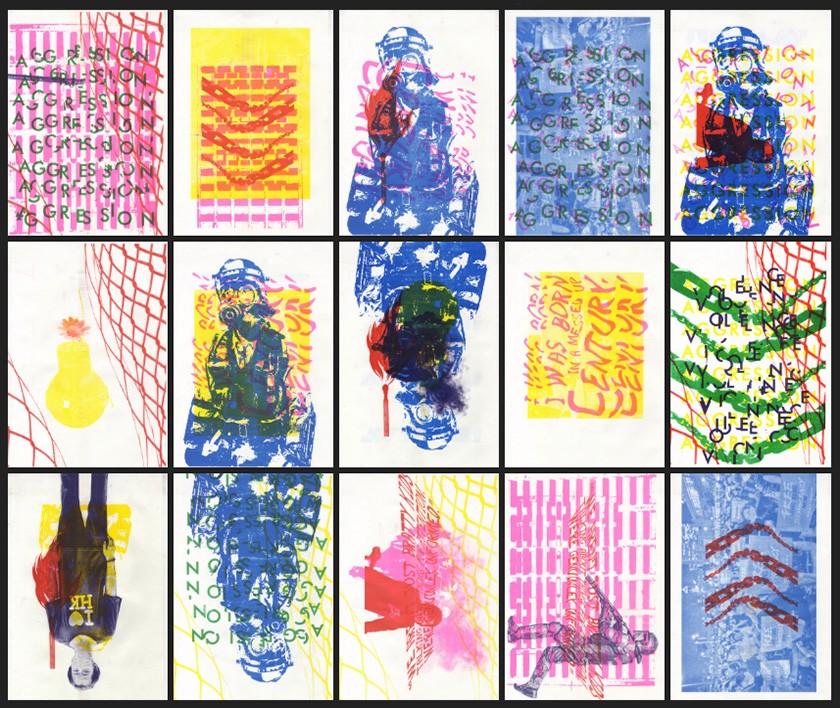
In response to this context, I initiated a workshop designed to counter creative isolation and to embrace solidarity, experimentation, and collaboration. The central theme: violence—not just the physical, but also the psychological, systemic, and political. Drawing from global events in Hong Kong, Chile, Greece, Syria, and beyond, the workshop invited participants from different countries to create collectively, reflecting on the violence that shapes our time.
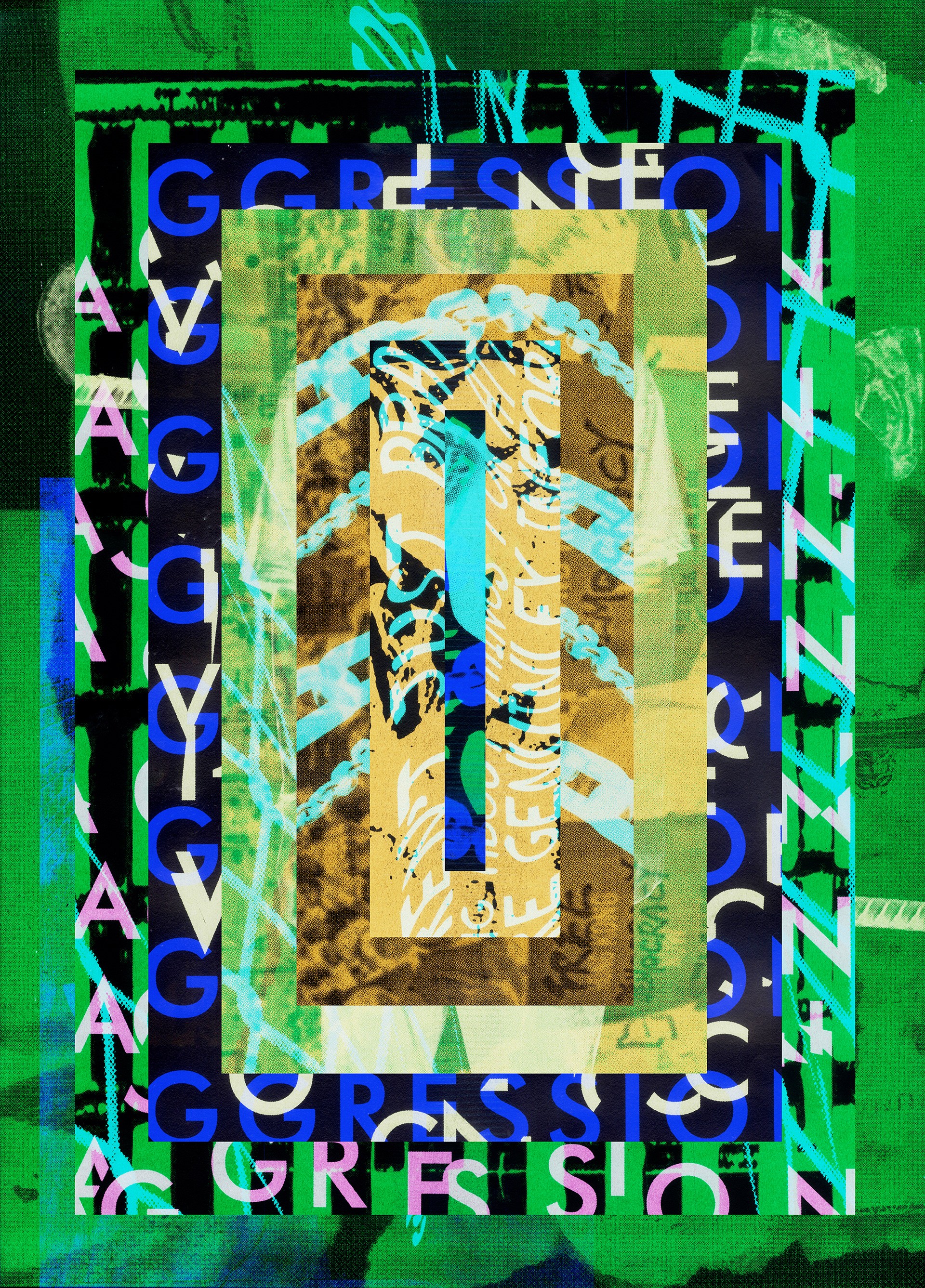
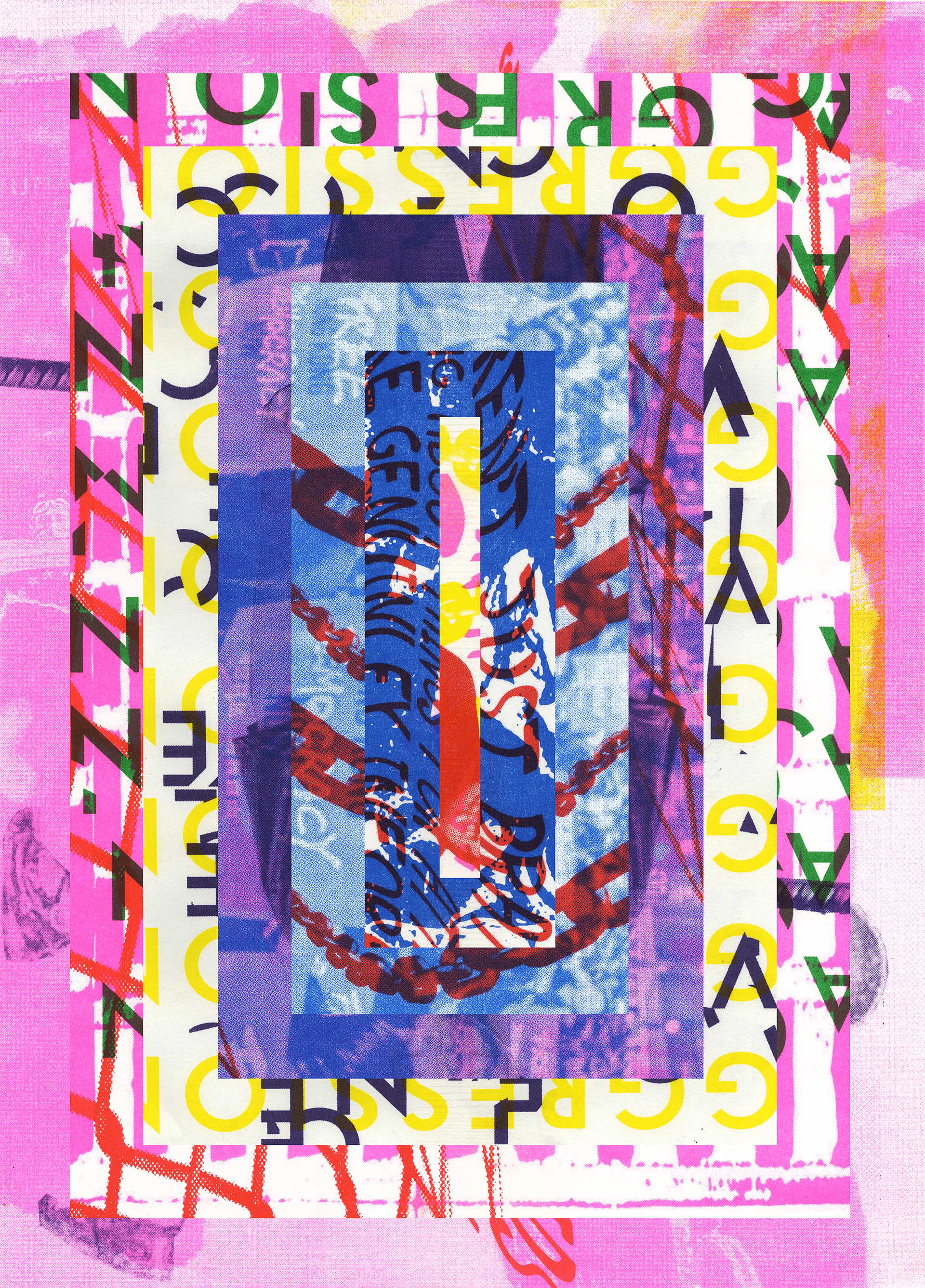
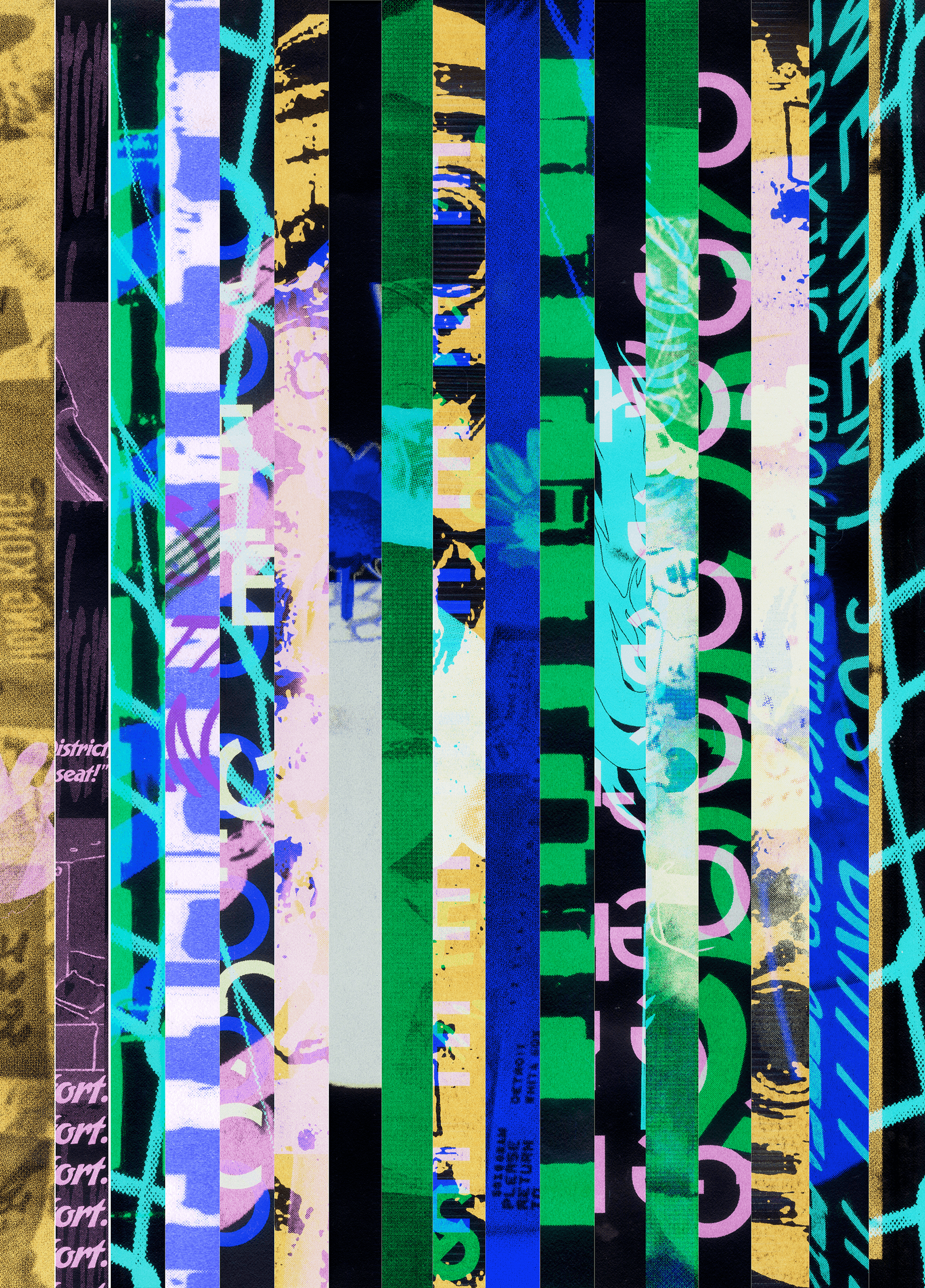
Each participant contributed a personal visual—whether a photograph or a design. These elements were printed using a risograph, a medium known for its unpredictability and tactile, layered aesthetic. The printing process was deliberately unrefined and random, replicating the raw energy of protest walls covered in overlapping posters. Rather than seeking perfection or control, the goal was to embrace chaos, reflect disorder, and allow the human-machine interaction to leave its mark.
This project was not just about making posters—it was about making space for expression, dialogue, and shared experience in a fragmented world. It served both as an act of creation and a quiet form of resistance.
Participants
Ayue Wu
Boyana Gerzilova
Cheng-Yang Hung
Judy Jow
Katy Austin
Megan Newton
Tsai-ling (Judy) Chu
Many thanks to all who made this possible.
From the artistic circles of 17th-century Paris, to the Beat poets in America, to Andy Warhol’s “Factory” in New York, collaboration once defined the creative process. Artists gathered not only to produce work, but to exchange ideas, challenge each other, and shape culture. Fast-forward to the 21st century, and the landscape has shifted. Today, collaboration often feels like a task reserved for project deadlines and managerial direction.
Fear of intellectual theft makes us secretive. Relentless exposure to imagery online causes us to doubt the quality of our work. We absorb an overwhelming stream of visual information daily—advertisements, violence, conflict, and protest—which congests our thinking and numbs our emotional response. For some, these are just distant headlines. For others, they reflect lived reality.
In response to this context, I initiated a workshop designed to counter creative isolation and to embrace solidarity, experimentation, and collaboration. The central theme: violence—not just the physical, but also the psychological, systemic, and political. Drawing from global events in Hong Kong, Chile, Greece, Syria, and beyond, the workshop invited participants from different countries to create collectively, reflecting on the violence that shapes our time.
Each participant contributed a personal visual—whether a photograph or a design. These elements were printed using a risograph, a medium known for its unpredictability and tactile, layered aesthetic. The printing process was deliberately unrefined and random, replicating the raw energy of protest walls covered in overlapping posters. Rather than seeking perfection or control, the goal was to embrace chaos, reflect disorder, and allow the human-machine interaction to leave its mark.
This project was not just about making posters—it was about making space for expression, dialogue, and shared experience in a fragmented world. It served both as an act of creation and a quiet form of resistance.
Participants
Ayue Wu
Boyana Gerzilova
Cheng-Yang Hung
Judy Jow
Katy Austin
Megan Newton
Tsai-ling (Judy) Chu
Many thanks to all who made this possible.
0:00/1:34